Skip to contentRestoran Moon
Modern Slavic cuisine in Tallinn

GUIDE

Modern Slavic cuisine in Tallinn

Moon’s kitchen is rooted in Slavic food culture – familiar flavours, classic recipes and seasonal local ingredients. Tradition meets contemporary cooking.

MICHELIN Guide since 2022

Restaurant Moon has been recommended by the MICHELIN Guide for five consecutive years, from 2022 to 2026.

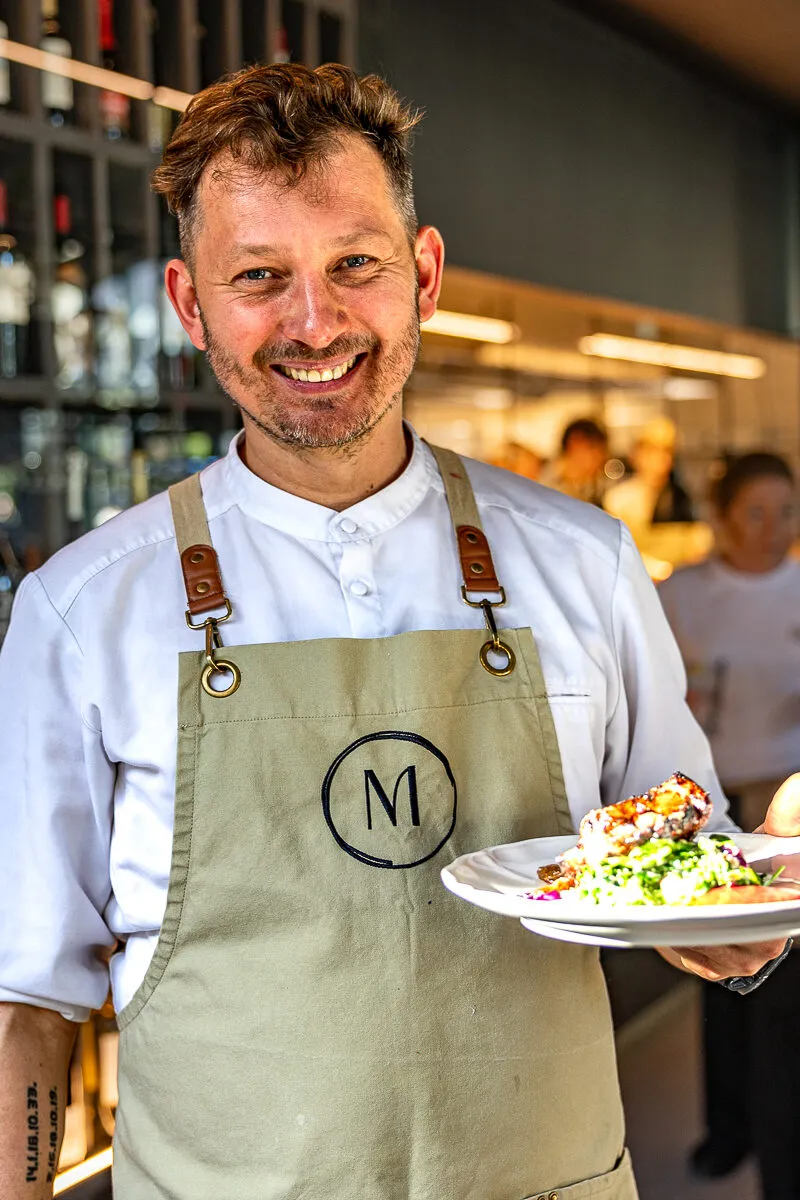
Roman Zaštšerinski

Co-founder and Head Chef, who has shaped Moon’s approach to modern Slavic cuisine.

Svetlana Javorskaja

Managing Director and Sommelier. The drinks list developed under her direction has received recognition at the Baltic Wine List Awards.

Telliskivi

One of Tallinn’s best-known food, culture and creative districts.

What is modern Slavic cuisine?

Modern Slavic cuisine draws on the food traditions of Central and Eastern Europe without simply reproducing old recipes. Familiar dishes such as dumplings, blini, salo and adjika take on a contemporary form through modern cooking techniques, seasonal ingredients and Moon’s own approach.

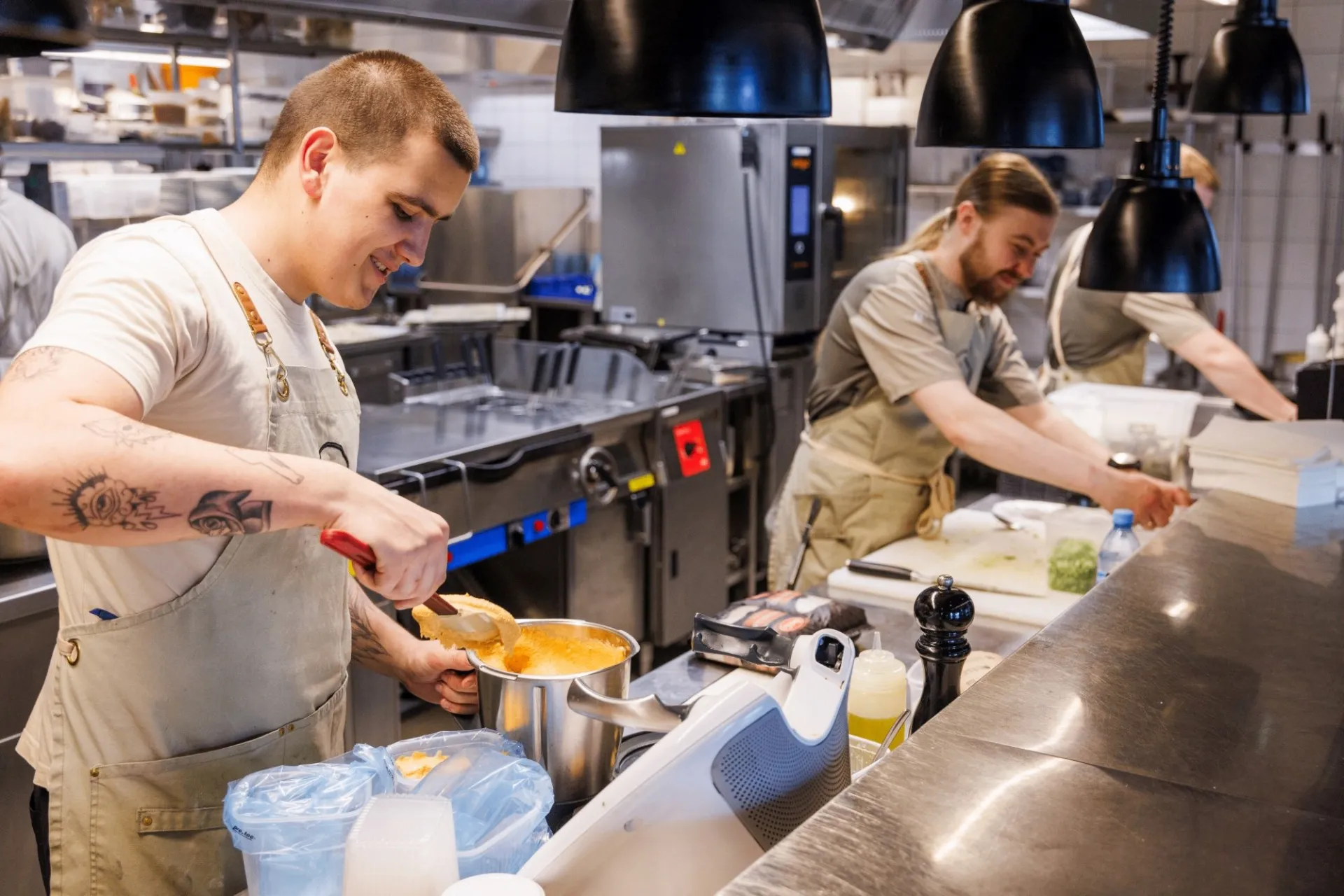
At Restaurant Moon, this style has been shaped by co-founders Roman Zaštšerinski and Igor Andrejev. The kitchen’s day-to-day work is led by Head Chef Andrei Drozdov.

Why does Slavic cuisine work in Tallinn?

Tallinn’s food culture brings together Estonian, Nordic, Central and Eastern European influences. Local fish, wild mushrooms, root vegetables, berries and seasonal herbs work naturally in dishes with roots in Slavic home cooking.

For Moon, this means using familiar flavours in a local context – respecting tradition while adapting to the seasons and a contemporary restaurant kitchen.

Where to start with Moon’s menu

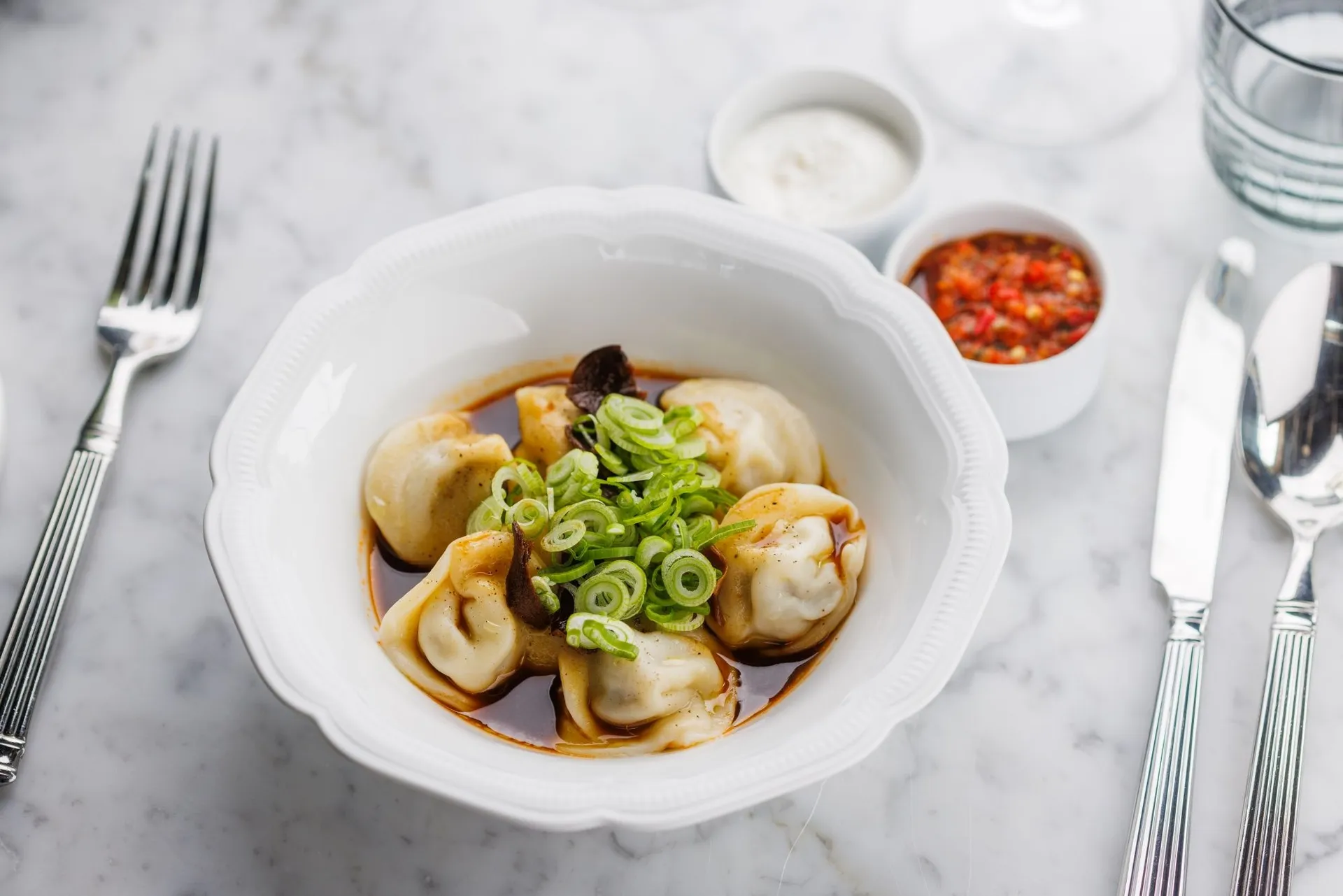
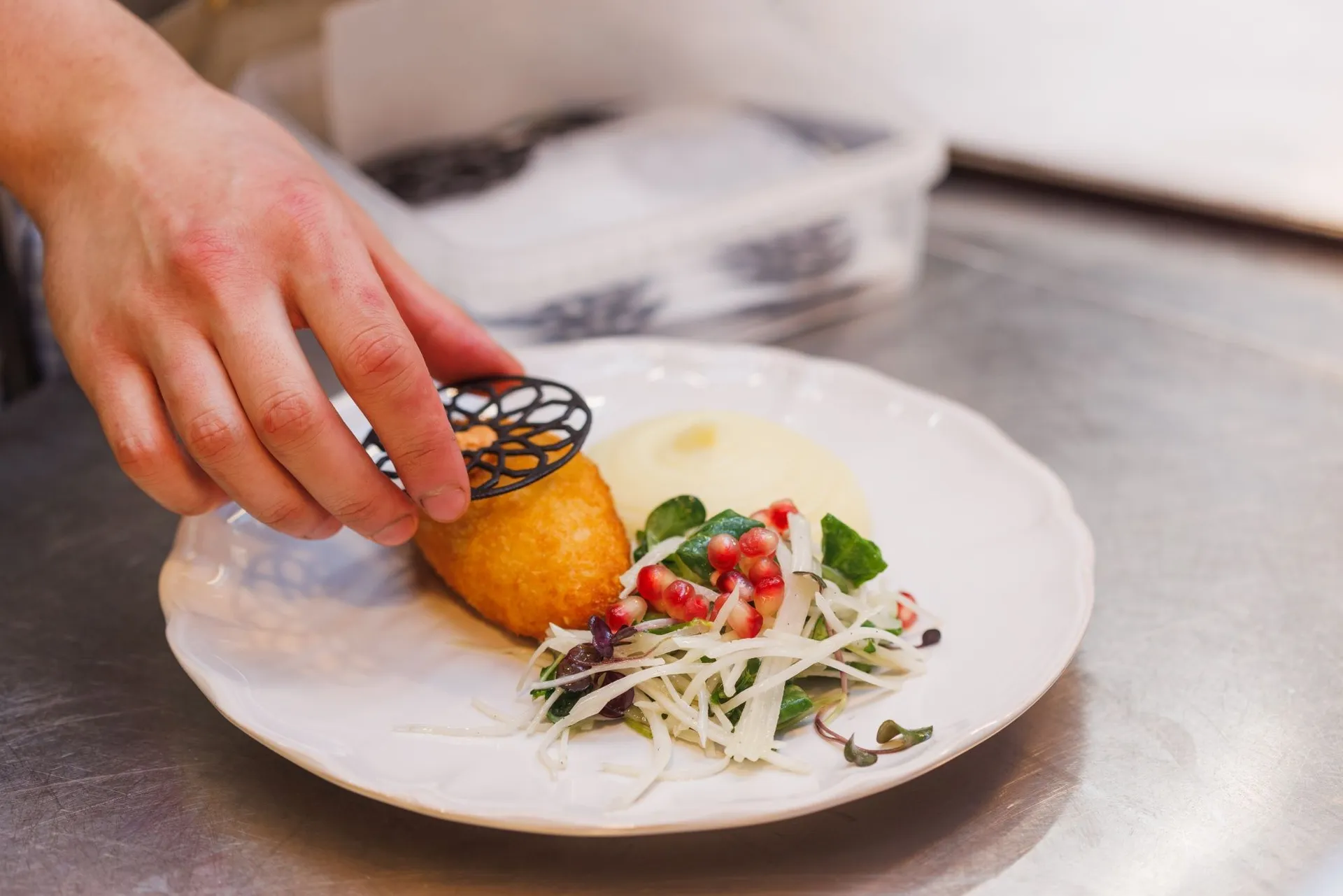
Moon’s longtime classics and seasonal dishes are a good introduction to our kitchen. The menu includes warm buckwheat blinis with whitefish caviar or Osetra caviar, handmade Siberian dumplings (with meat), pike fishcake, beef tartare and Chicken Kiev.

The essence of these classics remains the same, while accompaniments may change with the seasons and available ingredients. This keeps the dishes recognisable without leaving them standing still.

TIMELINE

A thousand years of Slavic cuisine

From the Middle Ages to the Early Modern Period

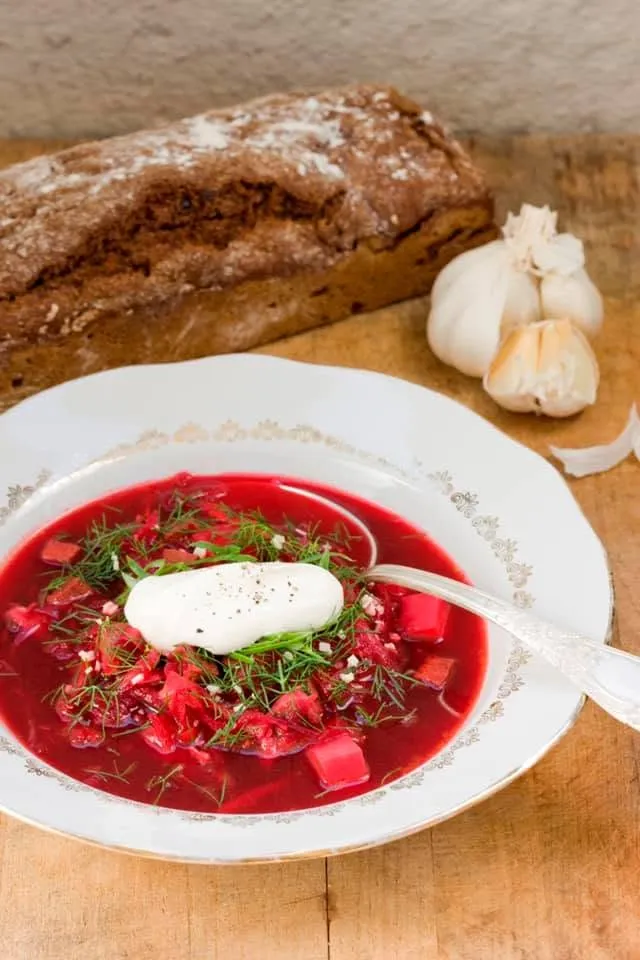
The development of borscht

The name borscht comes from the old Slavic word “borshchevik”, referring to edible hogweed species. Before beetroot borscht became widespread, sour soups were prepared using this plant, eventually developing into forms of borscht known today.

A Centuries-Old Tradition

Blini and Maslenitsa

Blini have a long history in Eastern European cuisine and became an important part of Maslenitsa celebrations. They are made with both wheat and buckwheat flour and served with a wide variety of accompaniments.

Ural and Siberian Food Traditions

Pelmeni

The exact origin of pelmeni is uncertain, but they are associated with the Ural and Siberian regions. The cold climate made them practical to prepare in quantity and store frozen.

18th–19th Century

French influence

During the 18th and 19th centuries, many French chefs worked in the aristocratic kitchens of the Russian Empire. They introduced new cooking methods, sauces and approaches to presentation that influenced several classic dishes known today.

19th–20th Century

The development of chicken Kyiv

The exact origin of Chicken Kyiv is disputed, though its roots reflect the influence of French cooking. The modern breaded chicken dish filled with butter developed during the 20th century and became one of the best-known classics of Eastern European cuisine.

20th Century

Home cooking and family recipes

During the Soviet period, the preparation of many dishes was standardised in canteens and restaurants, while family recipes and regional traditions continued in home kitchens and were passed from one generation to the next.

2009

Restaurant Moon opens

Roman Zaštšerinski, Igor Andrejev and their team open Restaurant Moon in Tallinn. The inspiration comes from childhood flavours, grandmothers’ recipes and their contemporary interpretation.

2022–2026

MICHELIN Guide recommendation

Restaurant Moon has been included among the MICHELIN Guide recommended restaurants every year since the Guide’s first Estonia selection was published in 2022.

Roman Zaštšerinski
“Our grandmothers’ cooking is already becoming something of a forgotten art.”

Roman Zaštšerinski

Head Chef, Restaurant Moon

Moon stories

MOON CLASSICS

Dishes that define Moon’s kitchen

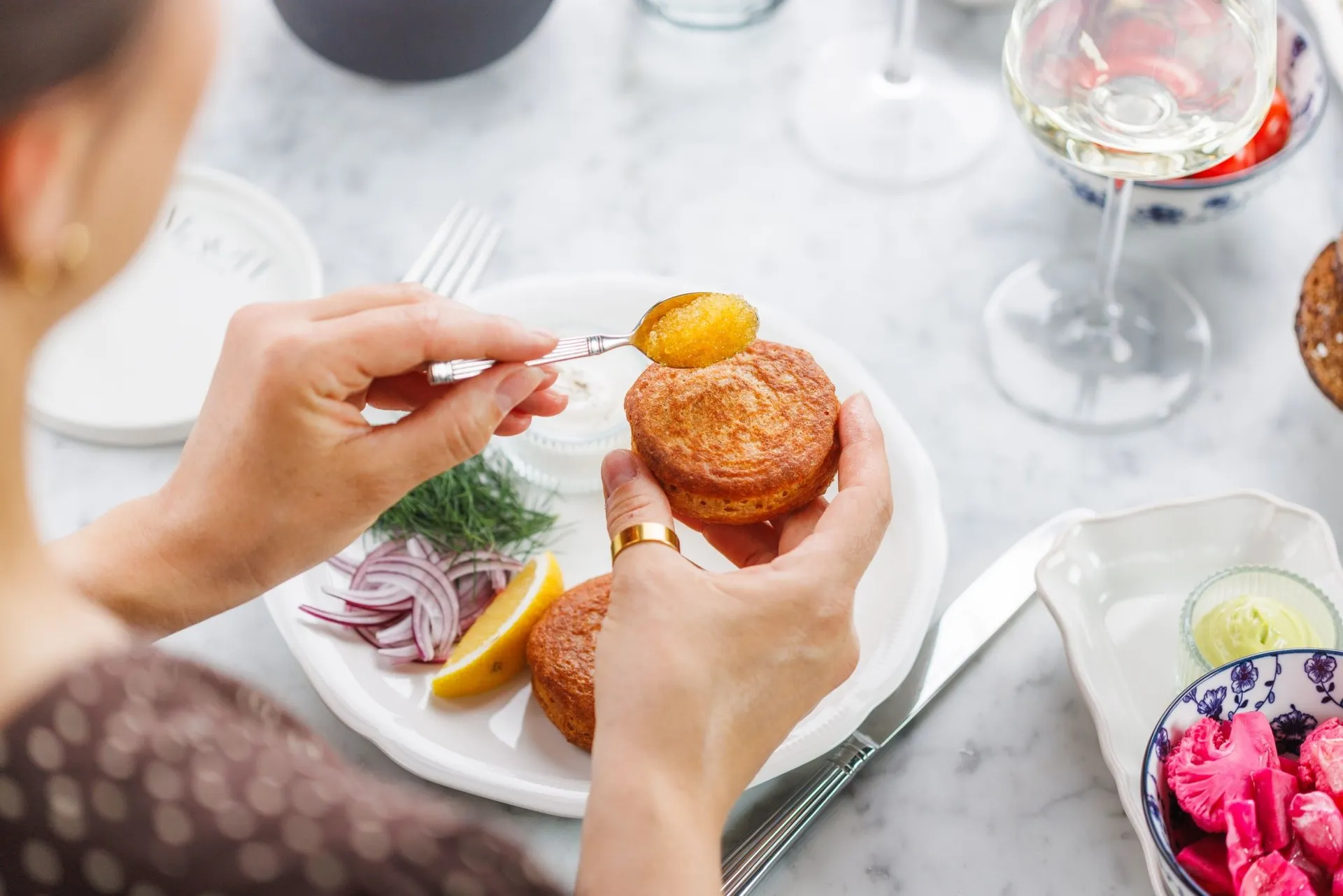
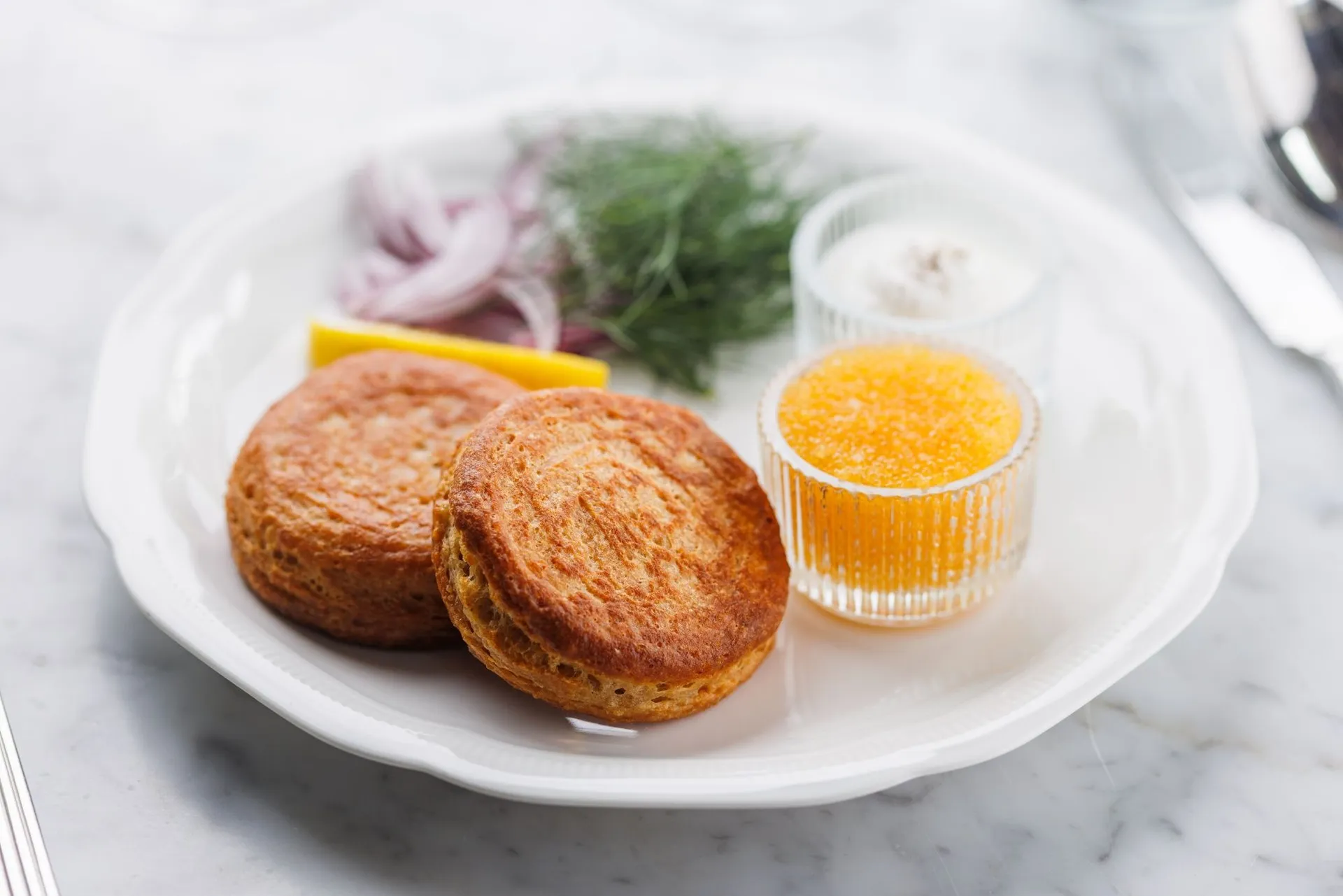
Warm BUCKWHEAT BLINIS – WHITEFISH CAVIAR or OSETRA CAVIAR

Warm BUCKWHEAT BLINIS – WHITEFISH CAVIAR or OSETRA CAVIAR

Moon’s buckwheat blini are made from slowly risen batter and served with sour cream, red onion and your choice of whitefish caviar or Osetra caviar. They have been a longtime favourite at the restaurant.
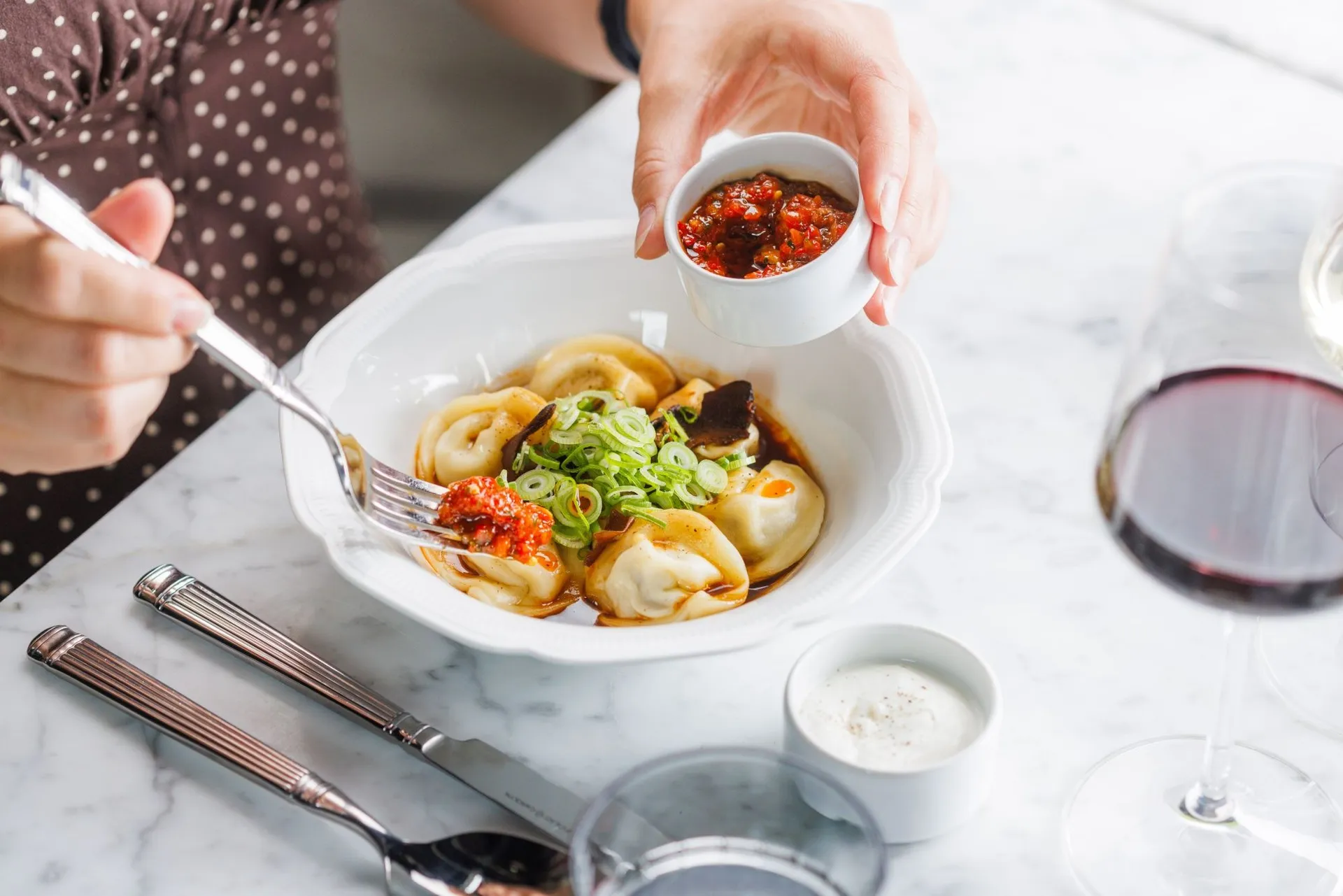
Handmade SIBERIAN DUMPLINGS (with meat)

Handmade SIBERIAN DUMPLINGS (with meat)

Handmade dumplings have been on Moon’s menu since the early days. Thin dough, a juicy filling and carefully prepared accompaniments have made them one of the restaurant’s longtime favourites.

CHICKEN KIEV

CHICKEN KIEV

A Moon Classic that has been on the menu for more than 15 years. Crisp breading, herb butter and seasonal accompaniments have made it a dish guests return to time and again.

RELATED STORIES

Moon stories

FAQ

Frequently asked questions about Slavic cuisine

What is modern Slavic cuisine?+

Modern Slavic cuisine draws on the food traditions of Central and Eastern Europe while using contemporary cooking techniques and seasonal ingredients. At Moon, this means respecting classic recipes while interpreting them in a contemporary way.

What inspires Moon’s cuisine?+

Moon’s kitchen is influenced by different Central and Eastern European food traditions and seasonal Estonian ingredients. Inspiration comes from childhood flavours, grandmothers’ recipes and local ingredients.

Is Slavic cuisine heavy?+

Slavic cuisine includes both hearty and lighter dishes. Fresh seasonal ingredients play an important role on Moon’s menu, which changes throughout the year and includes both classic and lighter flavours.

Is Moon’s menu suitable for guests who are new to Slavic cuisine?+

Yes. The menu offers familiar flavours for both longtime fans of Slavic cuisine and guests trying these dishes for the first time. Our team can help with recommendations.

Does the menu change with the seasons?+

Yes. Moon Classics have remained on the menu for years, while seasonal dishes and accompaniments change according to the ingredients available.

Are there vegetarian options at Moon?+

Yes. The menu includes vegetarian starters, main courses and seasonal options. If you have dietary requirements or intolerances, please let us know when booking or at the restaurant.

What drinks pair well with Slavic cuisine?+

Moon’s drinks list includes classic European wines as well as carefully selected non-alcoholic options. If you would like a recommendation for a particular dish, our team can help you choose.

Is Moon suitable for families?+

Yes. Moon has a kids’ menu and families are welcome.

How far in advance should I book?+

On weekdays, tables are often available at shorter notice. For weekends and special occasions, we recommend booking as early as possible.

VISITING MOON

Practical information

OPENING HOURS

Mon–Thu 12:00–23:00 Fri–Sat 12:00–24:00 Sun 13:00–21:00

ADDRESS

Telliskivi 60/4 (G-building), Tallinn

CUISINE

Modern Slavic cuisine

RELATED GUIDES

Explore Moon’s kitchen

If you’d like to learn more about Slavic food traditions and Moon’s dishes, explore these stories and guides.

Book a Table

Modern Slavic cuisine, seasonal Estonian ingredients and warm hospitality await you at Restaurant Moon.